One Stock API for US, Hong Kong and China A-Shares? Test the Watchlist First
TickDB Research ·
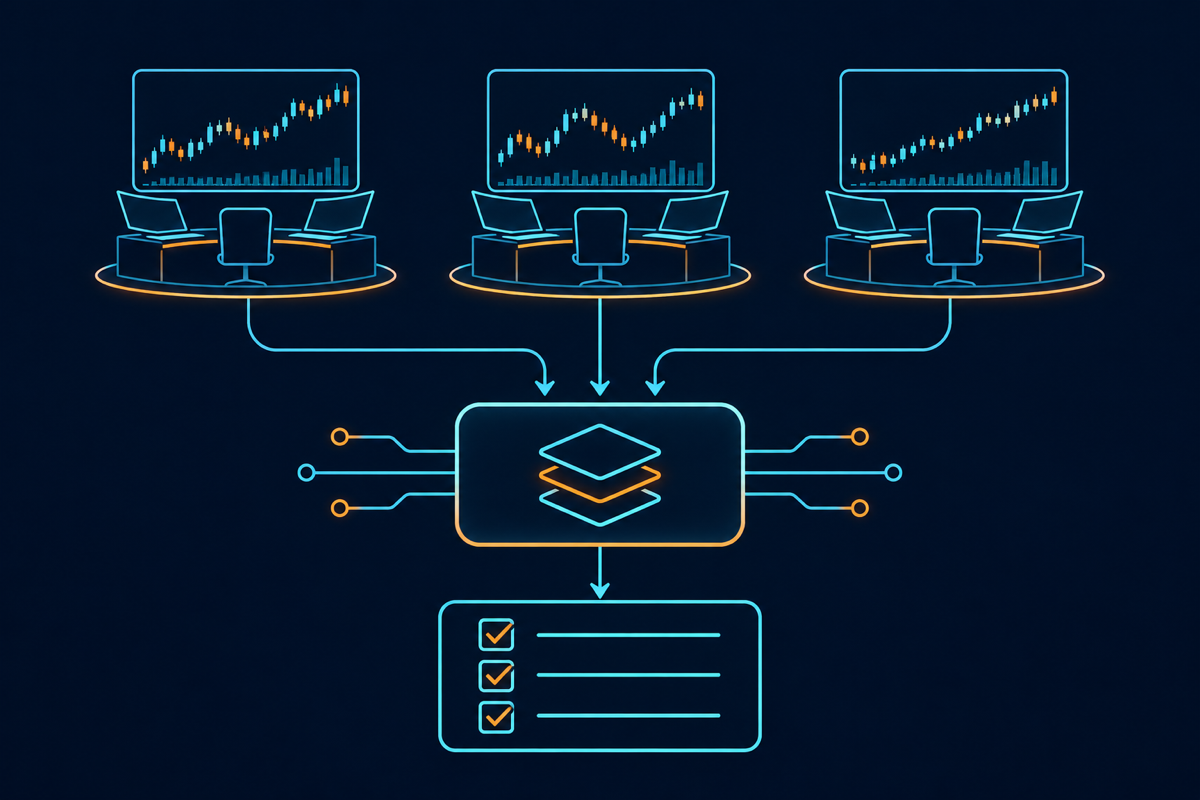
A single market-data API can cover US stocks, Hong Kong stocks and mainland China A-shares. Whether it can serve your app depends on the exact symbols, quote types, sessions and usage rights you need. Stock Connect adds a separate question: a mainland quote is not evidence that an account can trade that security northbound.
Start with what the app must do
For a dashboard, check a small watchlist across all three markets before comparing catalog totals. TickDB documents a common stock data interface across these markets, including REST quotes and WebSocket streaming. Its examples include AAPL.US, 700.HK and 600519.SH. These are catalog examples, not a promise of access under every account. Ask the candidate provider to resolve your symbols under the plan you would actually use, then check the fields returned in a session when the market is open.
For an app that sends orders through an existing brokerage account, test the broker integration separately. Interactive Brokers documents market-data requests through its TWS API and identifies separate Northbound venues for Shanghai and Shenzhen Connect. Its API data is subject to the account's subscriptions; the brokerage path is worth evaluating when the app needs account-specific execution, but the presence of a broker contract does not prove that the client can receive the data it needs or display it to others.
A mainland quote does not prove Stock Connect eligibility
HKEX publishes separate Shanghai and Shenzhen Northbound lists, including securities eligible for both buying and selling and securities eligible for selling only. Join the list effective on your test date to your instrument identifiers. Keep buy-and-sell eligibility, sell-only status and missing evidence distinct. A mainland symbol can have a valid quote while the Connect eligibility test is unresolved; neither a quote nor a list entry validates permissions on a particular brokerage account.
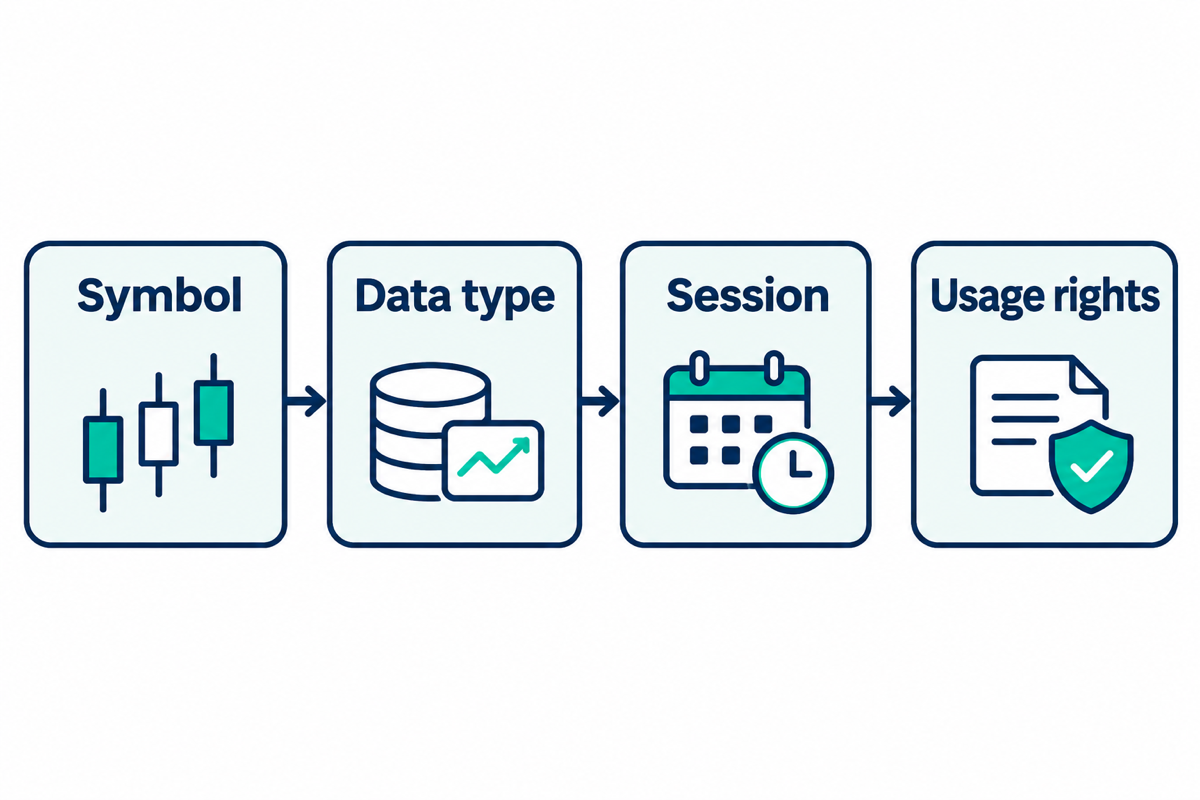
Check the same four things for each symbol
| Check | What to record before choosing a provider |
|---|---|
| Symbol | Provider identifier, market and currency; retain the raw source identifier. |
| Data type | Snapshot, streaming quote, bar, depth or individual trade; don’t infer one from another. |
| Session | Exchange-local phase and timestamp; test the operating window you actually need. |
| Usage rights | Whether the contract permits your use, such as a private screen or a public dashboard. |
The session check is easy to miss. An API returning a last price outside the requested session may be behaving as documented, while your application still lacks the feed it needs. A single quote proves neither extended-hours coverage nor execution-level history. Make the missing field fail the test instead of letting a plausible number stand in for it.
Run a small acceptance test
The Python example uses fictional results, not a live API call. In this fixture all three symbols return a price. One price is from the wrong session, and another symbol has no confirmed public display right. Only the first row passes. Replace each flag with evidence from your account sample and contract review; keep the dated Connect list as an independent check.
checks = {
    # symbol: (quote_present, requested_session_verified, display_permitted)
    "AAPL.US": (True, True, True),
    "700.HK": (True, False, True),
    "600519.SH": (True, True, None),
}

def decision(quote, session, display):
    if not quote:
        return "missing quote"
    if not session:
        return "requested session unverified"
    if display is not True:
        return "display permission unverified"
    return "passes this fixture"

for symbol, flags in checks.items():
    print(f"{symbol}: {decision(*flags)}")

assert sum(decision(*flags) == "passes this fixture"
           for flags in checks.values()) == 1
The procurement decision is smaller than the vendor list: choose a feed when it passes your watchlist and data-use tests; evaluate brokerage access separately if you need to submit Northbound orders. A shared endpoint is useful once those checks pass, not a substitute for any of them.
Sources checked November 28, 2026: TickDB Stock API and Ticker Snapshot; Interactive Brokers API market data FAQ and A-share Northbound FAQ; HKEX Stock Connect Explained and eligible securities lists.
7 markets · 43,111 symbols
- US stocks
- 14,809
- Hong Kong market
- 3,354
- China stocks, ETFs & bonds
- 7,576
- Forex & metals
- 1,228
- Indices
- 13,960
- Futures
- 1,172
- Crypto
- 1,012